
Just Being A Boss Doesn't Make You A Leader
Are you a “boss” or a “leader”? What’s the difference, anyway? The terms are often used interchangeably, but they don’t point to the same skill set at all. A boss is someone who’s focused on the day-to-day operations, prioritizing things like scheduling, hiring, firing, supply management, processes, compliance — keeping the trains running and keeping people in line. Bosses are often guilty of micromanagement. They don’t trust people to be fully functioning adults.

Leadership at Every Level: Engage Leaders With Relevant Learning Paths
A functional organization requires capable and engaged leaders at every level; from senior executives to front-line managers, engaged leaders can elevate daily operations and accelerate big-picture initiatives. Yet one of the main challenges learning and development (L&D) organizations face is tailoring training to leaders at different levels. Raising great leaders doesn’t happen by accident. It requires structured and individualized training throughout a leader’s career.

I Started Over 300 Companies. Here Are 4 Things I Learned About Scaling a Business.
Starting a business requires a delicate balance of risk, passion, intel, research and confidence in yourself. You have to trust your instinct — and rest on the hard work you've done to prepare for business growth. You also have to weigh potential risks against the confidence and belief that you have what it takes to succeed. I know this dance well; I've started over 300 businesses.

Creativity’s bottom line: How winning companies turn creativity into business value and growth
Most of us can remember a couple of favorite ads. They’re funny, clever, thoughtful. Creativity can delight, even inspire. But does it generate business value? The short answer is yes. That conclusion came through clearly in McKinsey’s analysis of one widely recognized proxy for creativity. To have a quantitative measure that could be used to examine the linkage between creativity and business performance, we developed the Award Creativity Score (ACS)

15 Innovative Ways Artificial Intelligence Is Transforming Coaching
As potential use cases for artificial intelligence continue to emerge, professionals across industries are discovering resourceful ways to leverage it to optimize their workflows. In the world of coaching, leaders are using AI to improve the efficacy and impact of their coaching methods and empower their clients to achieve their goals.

Roger Federer Just Gave the Best Graduation Speech I've Ever Heard. He Summed It All Up in Just 14 Words
Roger Federer is going viral. This time, it's not for a tennis victory. Rather, it's for his remarkable commencement address, which he delivered on Sunday to the 2024 graduating class of Dartmouth College. Federer's speech is an amazing case study in emotional intelligent speaking: It's funny, motivating, inspiring. It's emotionally moving. And most important, it has valuable takeaways--

20 Ways HR Can Help Employers Boost Value And Fuel Revenue Growth
HR teams play a crucial role in driving organizational success. By strategically aligning talent management with business objectives, HR professionals can unlock the full potential of their workforce and drive growth. To do this, it's essential to attract and retain top talent, as well as foster a culture of continuous improvement and innovation.

Work Burnout, Boredom, and ‘Boreout’
TikTok is seeing an increasing trend among all too many workers: #boredatwork. This one hashtag has over 200,000 videos attached to it, clips often using humor to expose the otherwise depressing culture of underwhelming in the workplace. Many of the clips are of people stirring the pot – workers engaged in small acts of mischief in an effort to disrupt the monotony of the workday.

How to Stop Micromanaging Your Team: Tips to Build Trust
Micromanaging might not seem like a crucial workplace issue, but it can destroy a team’s morale, engagement, and productivity if left unchecked. We’ve shared how micromanagement affects employees, but that’s only one side of the story. What circumstances cause a leader to become a micromanager? Can they change that behavior for the better?

The ‘Entrepreneur Penalty’
Leaders constantly say they want employees with innovative ideas who can revolutionize products and processes. The good news is that there’s a big pool of start-up founders and entrepreneurial-minded people who have made their careers coming up with interesting ideas. The bad news is that these candidates often can’t get a job interview. Researchers at Rutgers University recently asked recruiters to evaluate mock résumés for candidates with comparable levels of education and experience in traditional companies, start-ups, or both.

A Psychologist Reveals 3 Ways To Master ‘Constructive Disagreement’
Many situations arise in everyday life where individuals must express disagreement, whether it’s about making pivotal decisions at work with a business partner or navigating ideological differences with loved ones. Disagreement is often inevitable in relationships and can even be healthy, as it allows us to learn more about ourselves and others.

Adam Grant Says the Key to Lifelong Learning Comes Down to This 1 Thing. You Might Not Like It
My social media algorithms would probably find me a confusing individual. One day, I'm left-leaning; the next, I'm right-leaning. One day, I'm watching a YouTuber who vehemently disagrees with another YouTuber who's been on my view list for the past few months.
But it's intentional.

High-Conscious Leadership: Needed Now More Than Ever
A rare breed of leader is required when environments are permeated with distrust, tension and volatility. The good news is that many emerging and experienced leaders have the ability to meet the demands; it’s a choice to look inward with courage to heal past traumas, embrace vulnerability as a source of strength, lead with genuine compassion for all stakeholders, and light the way toward a better future.
Why Every Employee Deserves to Get Leadership Development
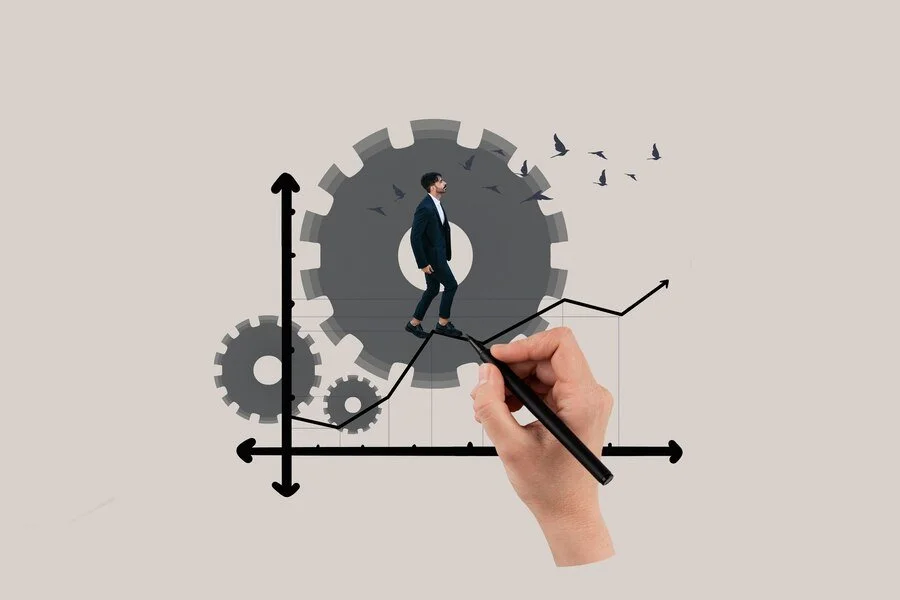
There’s a lot of talk in business today about the importance of demonstrating leadership at every level. Yet, many organizations still play it safe, earmarking far more leadership development opportunities for designated “high potentials.” This strategy might seem efficient, but if you want your team to win a race, wouldn’t you want every runner to have a shot at being first?

It All Begins With the Belief That It Is Possible
This was a realization I came to many years ago. I’d just accepted the position of dean at Washington State University, and it wasn’t long before I felt overwhelmed. On day one, I realized we were in trouble with issues ranging from disengaged alumni and financial troubles to the dire threat of losing our AACSB accreditation. My new team presented me with a report detailing not one, not two, but twenty-six critical areas needing immediate attention to save our accreditation.

The 6 Most Common Leadership Styles and How to Use Them
More than ever, today’s employees long for purpose, a sense of belonging, and opportunities to grow. This means workers are ready to roll up their sleeves and make things happen. And yet according to the American Psychological Association’s recent survey, employee happiness is down while burnout remains high. In fact, the survey found that 77% of U.S. workers said they experienced work-related stress, while more than half said the negative impact of stress was driving them close to burnout.

The Influence of Social Media on Language and Communication
Social media has undoubtedly revolutionized the way we communicate and connect with others. Platforms like Facebook, Twitter, and Instagram have become integral parts of our daily lives, allowing us to share thoughts, experiences, and emotions with just a few taps on our screens. However, this digital transformation has also had a significant impact on language and communication. In this blog post, we will explore the various ways in which social media has influenced our language and communication patterns.

How To Effectively Integrate AI Into Your Business Operations
The year 2023 was the coming out party for artificial intelligence (AI), and it was a raucous celebration, from the historic popularity of ChatGPT to the enormous investments in AI-related companies. While its real-world impact is still being determined, one thing is sure: We’ve entered a new era of technological advancement, and these solutions are here to stay.

If You Have These 3 Habits, You’re More Resilient Than Most People, Experts Say
Everyone experiences unexpected hardships. You can bounce back and learn from them with an important soft skill: resilience. The more mentally resilient you are, the more quickly you can recover from challenges or persist in the face of them, according to Wharton psychologist Adam Grant. The trait helps you take smarter risks, beat burnout at work and live a happier life.

How SMART Goals Sabotage Success (and the Brain Science of What Works)
Most of us were taught to measure success by ticking off boxes on a to-do list or hitting predetermined milestones. It’s easy to fall into the trap of what is called the Performance Mindset. We’re inundated with the notion that setting SMART (Specific, Measurable, Achievable, Relevant, Time-Bound) goals and striving for peak performance is the golden ticket to success. This is the familiar way each of us evaluates whether we’re “doing a good job” in every aspect of life, whether it’s work, health, or even parenting.