

The Courage to Begin Again: Dinda’s Journey from Corporate Communications to the Frontline of Growth
Mike's Note While on Holiday: Another insightful blog my my friend on 40 years Pri Notowidigdo on how Dinda made the jump from a staff job to a front-line position in sales. Reading the bolg I could see Dinda's self-leadership and her attitude to be curious and adventuresome. So, with the CEO's blessing, she jumped to sales. Courageous and wise! Read on.
*****
By Pri Notowidigdo,
For 14 years, Dinda walked through the halls of Goodyear Indonesia with the quiet confidence of someone who rarely sought the spotlight yet consistently earned trust.
She was not the loudest person in the room. She did not dominate conversations or seek recognition through grand gestures.
Instead, colleagues knew her for something far more enduring: her reliability.
Dinda listened carefully before speaking. She prepared thoroughly before acting. She believed that leadership was not about being the smartest
person in the room, but about helping people feel seen, respected, and connected to purpose.
Over the years, she moved across a range of roles, each assignment expanding her understanding of people, communication, and organizational dynamics. Whether coordinating internal stakeholders, managing corporate narratives, or supporting strategic initiatives, she carried herself with a rare combination of discipline and empathy.
People trusted her because she was thoughtful. Leaders relied on her because she was dependable. Teams respected her because she remained human- centric even under pressure.
Yet perhaps what defined Dinda most was not competence alone. It was curiosity.
Even after more than a decade in the company, she continued asking questions, seeking feedback, learning new skills, and embracing growth, not merely to advance professionally, but to evolve personally.
And perhaps that is precisely why six months ago, Pak Iman Santoso, CEO of Goodyear Indonesia, made a decision that may have surprised many people, including Dinda herself. He moved her from Corporate Communications into Selling.
Her new role: Key Account and Retail Excellence Manager.
When Good Leaders Disrupt Comfort for Becoming
At first, Dinda struggled to understand the decision. Why move someone who had been performing admirably? Why shift a respected communications professional into a commercial frontline role after 14 successful years? The move felt unsettling.
Corporate Communications had become familiar terrain. It was structured, relationship-oriented, strategic, and aligned with her natural strengths.
Selling was different:
Targets.
Negotiations.
Commercial pressure.
Retail execution.
Competitive dynamics.
Revenue accountability.
Six months into the role, Dinda finally voiced her concerns to Pak Iman. “This role does not yet feel natural to me,” she admitted carefully.
Pak Iman listened quietly before responding with a calmness that reflected conviction rather than dismissal: “It has only been six months.”
At first glance, the answer seemed simple. But beneath it lay a deeper leadership philosophy.
Strong leaders do not only place people where they are comfortable. They place them where they are capable of becoming more.
Pak Iman recognized something Dinda herself had not fully seen; that her greatest potential did not lie merely in maintaining excellence within familiar territory, but in translating her human-centric strengths into business growth and community building.
After all, selling today is no longer purely transactional.
The best commercial leaders do not merely sell products:
They build trust ecosystems.
They connect relationships
They strengthen long-term partnership.
They align business goals with human understanding.
And Dinda had spent 14 years developing exactly those capabilities.
What 14 Years at Goodyear Truly Reflect: Alignment of Values
Staying in one organization for 14 years in today’s world says something profound. It reflects more than loyalty. It reflects alignment.
Dinda’s long tenure at Goodyear Indonesia suggests a deep compatibility between her personal values and what the organization stands for.
People rarely remain committed to an organization for that long unless there is emotional resonance between individual identity and corporate culture.
Her journey reflects:
Belief in long-term contribution rather than short-term gain,
Commitment to quality and accountability,
Respect for relationships,
Resilience through organizational changes,
Faith in collective growth.
In many ways, Dinda’s career represents a quiet rebuttal to modern professional culture that often glorifies constant movement over meaningful rootedness. She stayed not because she lacked ambition. She stayed because she found meaning.
The Challenges of Moving from Communications to Selling
Yet meaning alone does not remove difficulty. Dinda’s transition into selling has likely challenged her in ways she had never previously experienced.
1. Moving from Influence to Direct Revenue Accountability
In communications, success is often indirect and long-term.
In selling, performance becomes visible immediately:
Numbers
Market share
Customer acquisition
Retail execution
Commercial targets
This creates emotional pressure unfamiliar to many professionals transitioning into commercial roles.
2. Learning to Navigate Rejection
Communications professionals often operate through collaboration and alignment.
Sales environments involve resistance, negotiation, and rejection:
Clients may decline proposals
Retailers may push back
Targets may not always be met
For someone naturally thoughtful and relationship- oriented, repeated commercial rejection can feel deeply personal unless emotional resilience is intentionally strengthened.
3. Balancing Relationships and Results
One of Dinda’s greatest strengths is empathy. It can also become a challenge.
Strong relationship builders sometimes avoid difficult commercial conversations in order to preserve harmony.
Yet effective selling requires the ability to balance empathy with assertiveness.
The challenge is not choosing one over the other. It is integrating both.
4. Building Commercial Confidence
Even highly capable professionals experience “identity disruption” when entering unfamiliar functions.
Dinda may internally question:
“Am I truly a commercial leader?”
“Do I belong here?”
“Can I succeed in this environment?”
Such questions are normal during major professional reinvention.
The Mind Shifts Dinda Must Embrace
For Dinda to thrive in her new role, technical learning alone will not be enough.
She must undergo several important psychological shifts:
Mindshift 1: From “Supporting the Business” to “Driving the Business”
Previously, she may have influenced organizational success indirectly. Now, she stands closer to the engine of growth itself. Her decisions affect revenue, customer loyalty, retail performance, and market competitiveness.
Mindshift 2: From Perfection to Agility
Communications often rewards precision and careful preparation.
Commercial environments require speed, adaptability, and iterative decision- making.
Not every decision will be perfect. Not every strategy will succeed. Progress matters more than flawless execution.
Mindshift 3: From Expert to Learner Again
One of the hardest transitions for experienced professionals is becoming a beginner once more.
Dinda must allow herself to learn without embarrassment. Humility becomes an advantage, not a weakness.
The Leadership Style Dinda Should Strengthen
The leadership style most effective for Dinda is likely a combination of: Human-Centric Transformational Leadership
This style aligns naturally with her character. Rather than leading through authority alone, transformational leaders inspire trust, growth, collaboration, and shared purpose.
Dinda’s listening skills, empathy, and strategic thinking can help create stronger customer relationships and healthier team dynamics.
Adaptive Leadership
Her new role requires flexibility across multiple stakeholders:
Customers
Retail partners
Internal teams
Operations
Business partners
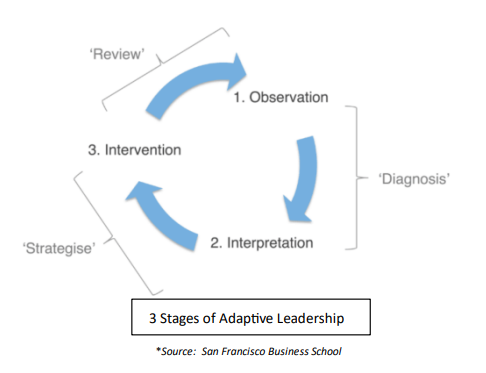
Adaptive leadership allows her to navigate uncertainty while remaining emotionally grounded.
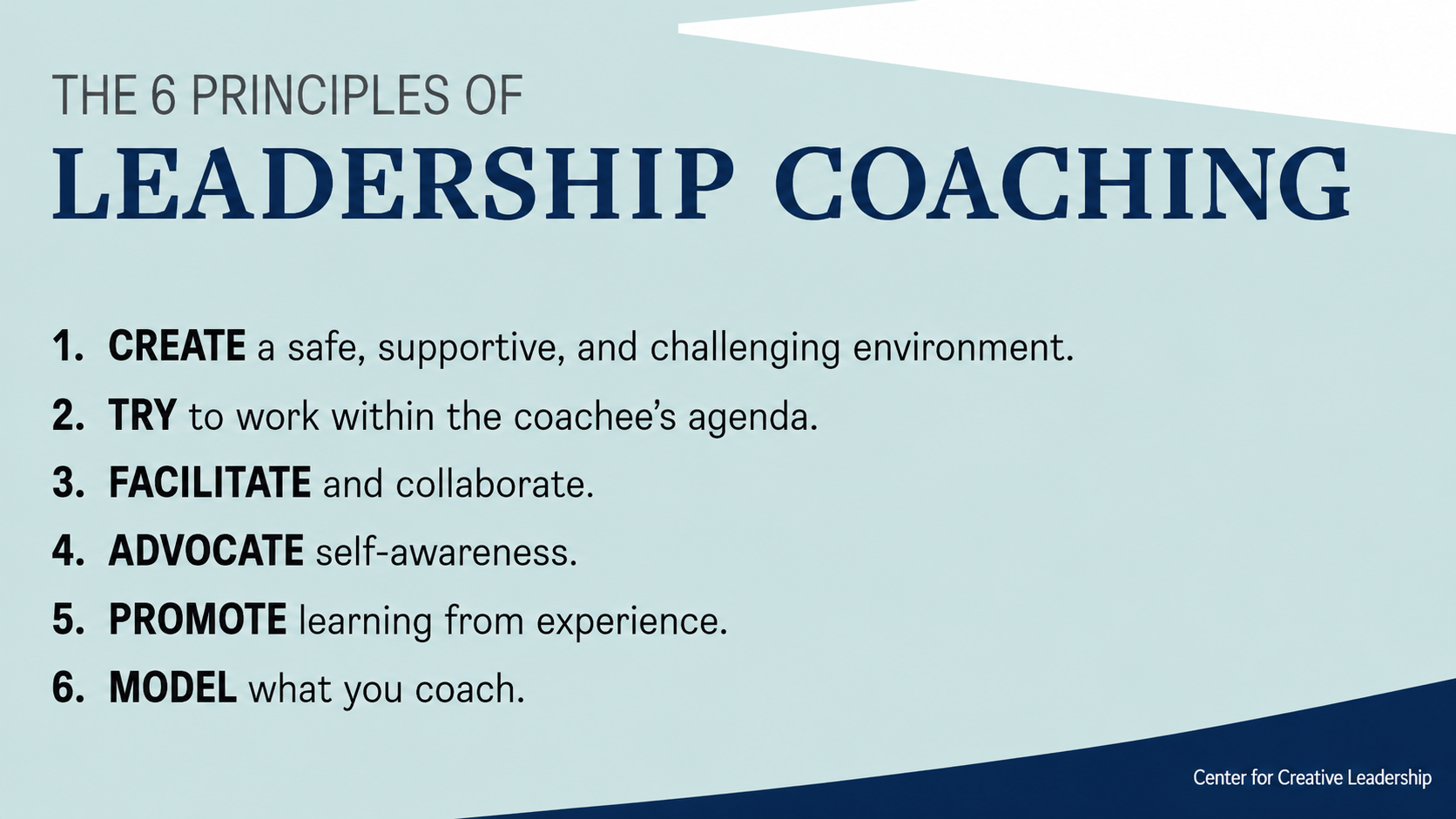
Coaching-Oriented Leadership
As Key Account and Retail Excellence Manager, success will not only depend on what she personally achieves, but on how effectively she develops others.
Coaching leadership encourages learning, accountability, and empowerment rather than control.
Ironically, the very qualities that made Dinda successful in communications may become her differentiator in commercial leadership.
The Critical Values Manifesting in Her New Role
6 values now become especially important:
Resilience: the ability to recover, adapt, learn, and persist without losing purpose, perspective, or hope
Commercial courage: making difficult decisions with clarity, confidence, and integrity even when
those decisions are uncomfortable, unpopular, or carry personal risk
Empathy with accountability: caring about people while still upholding standards, responsibilities, and consequences
Curiosity: the continuous desire to learn, explore, question, and better understand the market, customers, people, and changing business realities
Integrity: the commitment to act honestly, ethically, and consistently in protecting trust while pursuing results and responsibilities
Collaboration: the ability to bring people, teams, and functions together to work toward shared goals with alignment, trust, and mutual accountability
These are not merely business values. They are leadership values.
The Impact of Dinda’s New Role
Short-Term Impact
In the immediate term, Dinda’s transition may create uncertainty both internally and externally She is learning. Her team is adjusting. Customers are building familiarity with her.
Yet her thoughtful approach likely strengthens collaboration and communication quality across stakeholders.
Long-Term Impact on the Business
If successful, Dinda may become a bridge between corporate strategy, customer relationships, and retail excellence.
Her communication background could help humanize commercial engagement, strengthen trust with partners, and improve organizational alignment.
She may eventually help redefine what commercial leadership looks like inside the organization.
Long-Term Impact on Herself
Perhaps the greatest transformation will be personal. This role may expand Dinda beyond the limits of the identity she once built for herself.
Many professionals discover their fullest leadership capacity only after being removed from environments where they already feel competent.
Growth often begins where certainty ends.
3 Questions for Reflection for Dinda
Am I resisting this role because it is wrong for me, or because it is requiring me to become someone new?
How can I use my empathy and communication strengths, not as comfort zones, but as competitive advantages in business growth?
If I succeed in this role, who might I become five years from now that I can not yet fully imagine today?
Concluding Thoughts
Dinda’s story is not merely about changing jobs within a company.
It is about identity transformation.
Many professionals spend years building expertise only to discover that leadership eventually demands something deeper: the courage to become inexperienced again.
Pak Iman’s decision was not a criticism of Dinda’s past performance. It was an investment in her future potential.
Sometimes the most important leaders in our lives are not the ones who keep us where we shine comfortably. They are the ones who place us in unfamiliar terrain because they can already see the version of ourselves we have not yet met.
And perhaps that is where Dinda stands today: not at the end of a successful 14-year journey, but at the beginning of a larger one.
The author, Pri Notowidigdo, is a Member of the Audit Committee of Goodyear Indonesia. He also writes on leadership, governance, and career development, drawing from the reflections and insights shaped by his diverse and extensive professional and personal experience across cultures, industries, and organizational environments.